

The Ultimate Guide to Choosing a Professional Horse Light Therapy Device
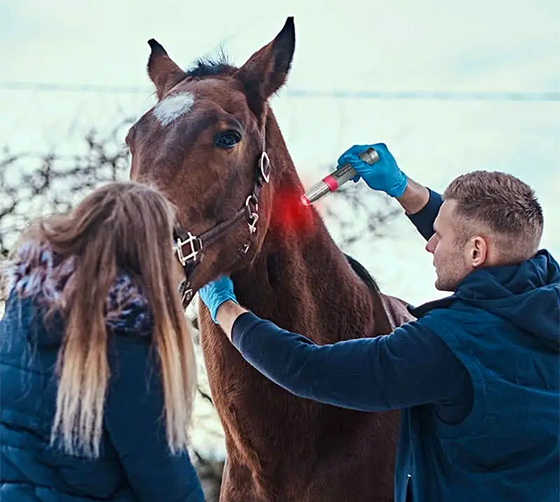
Two things decide whether a professional horse light therapy device delivers real results: the company behind it and the technology inside it. On the company side, look for independent laboratory testing that verifies wavelength output, radiant flux, energy density, and spectral distribution; exact stated wavelengths and actual power output rather than vague phrases; clear answers about where the device is made and who engineered it; and years of experience paired with ongoing innovation.
On the device side, look for multiple therapeutic wavelengths, Nogier frequencies with pre-programmed patterns, stable output from adequate battery capacity and quality LED drivers, both hand-held tools and flexible therapy pads, controls simple enough to use consistently, and manufacturer training and support.
Light therapy devices have become increasingly popular for supporting recovery, comfort, and overall wellness in horses. However, the market is filled with options that range from legitimate therapeutic tools to devices making vague claims. Understanding the difference between these options is essential to making an informed purchase decision.
The science behind light therapy is well-established: specific wavelengths of light penetrate tissue and support circulation, muscle relaxation, and tissue recovery. Professional light therapy systems are commonly used to address areas including the back, shoulders, stifles, hocks, tendons, and suspensory ligaments. Many horse owners use light therapy devices after training, hauling, or competition to support recovery and maintain their horse's wellbeing.
Two critical factors determine whether a light therapy device will deliver real results: the company behind the device and the technology inside the device.
Start With the Company
1. Independent Laboratory Testing – Professional light therapy systems are independently tested to verify wavelength output, radiant flux, energy density, and spectral distribution. For example, Visum uses LightLab International for their independent testing, ensuring every device delivers exactly what's promised.
2. Transparency of Technical Claims – Watch for vague phrases like "Optimal delivery of Joules" or "Advanced frequencies." Professional manufacturers specify exact wavelengths, actual power output, and how their devices differ from competitors. Transparency indicates confidence in the product.
3. Manufacturing Transparency – Ask where the device is manufactured, who engineered the design, and whether the technology is proprietary. Companies willing to discuss their manufacturing process and engineering team demonstrate accountability.
4. Experience and Innovation – Companies that have been developing light therapy systems for years have deeper expertise than newer entrants. Look for companies that combine years of experience with ongoing innovation.
Now Examine the Device Itself
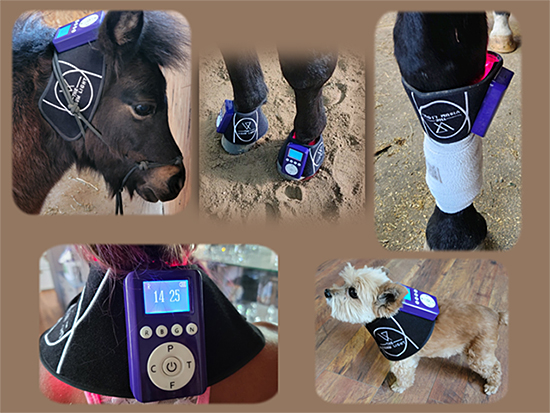
1. Wavelength Versatility – The most effective light therapy systems provide multiple therapeutic wavelengths. For example, Visum devices offer 4 therapeutic colors with 4 polychromatic blends, allowing for customized treatment protocols based on specific needs.
2. Frequency Guidance – Advanced systems incorporate Nogier frequencies with multiple pre-programmed patterns. Visum includes 7 pre-programmed patterns and 7 Nogier frequencies, providing flexibility for different therapeutic goals.
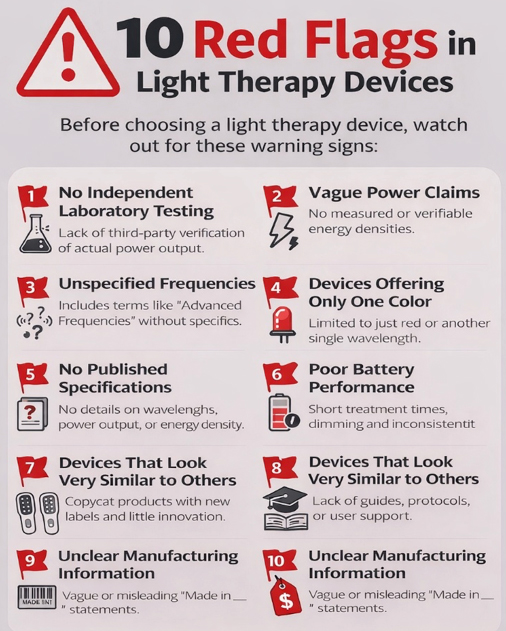
3. Output Stability – Look for devices with adequate battery capacity, voltage stability, and high-quality LED drivers. Output stability ensures consistent therapeutic results every time the device is used.
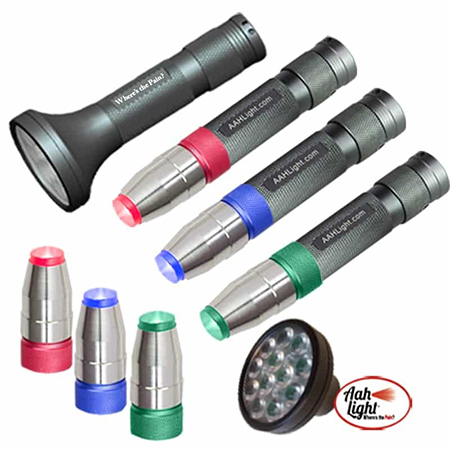
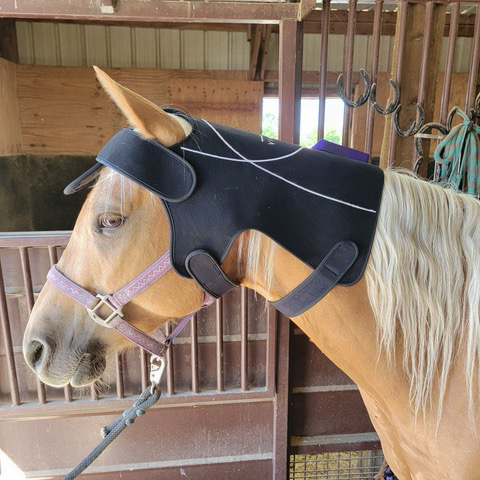
4. Device Versatility – Professional light therapy systems should include both hand-held tools and flexible therapy pads. This versatility allows treatment of various body areas on horses, dogs, cats, and people.

5. Ease of Use – Look for structured programs, cordless operation, removable batteries, and intuitive controls. A well-designed device should be simple to use consistently, even for handlers with no prior light therapy experience.
6. Training and Support – Professional manufacturers provide comprehensive user guides, training materials, protocol suggestions, and personalized support calls. This guidance ensures you get the most benefit from your investment.
The Advantage of a Complete System
When all these elements come together—multiple wavelengths, polychromatic options, Nogier frequencies, structured patterns, and flexible formats—you have a complete therapeutic system that can address virtually any recovery or wellness goal. Visum combines all these elements into a professional-grade light therapy platform.
Making an Informed Decision
Before purchasing a light therapy device, ask yourself these key questions:
- Has this device been independently tested and verified?
- Does the manufacturer clearly specify wavelengths and power output?
- Can the manufacturer explain where and how the device is made?
- Does the company have years of experience in light therapy development?
- Does the system include multiple wavelengths and treatment options?
- Is the device easy to use consistently?
- Does the company provide ongoing support and training?
Frequently Asked Questions
What is photobiomodulation?
Photobiomodulation is the use of light energy to stimulate cellular activity and support natural healing processes. Specific wavelengths of light penetrate tissue and interact with mitochondria, supporting circulation and recovery.
Why are multiple wavelengths useful?
Different wavelengths penetrate to different tissue depths and have different biological effects. A complete system with multiple wavelengths allows customized treatment for different tissues and therapeutic goals.
What are Nogier frequencies?
Nogier frequencies are specific frequency patterns based on research into how light affects biological systems. These patterns have been studied for decades and are incorporated into professional light therapy devices.
Why does independent testing matter?
Independent laboratory testing verifies that a device actually delivers the wavelengths and power output claimed by the manufacturer. This prevents misleading marketing and ensures clinical effectiveness.
What makes a professional light therapy system different?
Professional systems combine verified wavelengths, multiple treatment options, transparent manufacturing, independent testing, and ongoing manufacturer support. Consumer-grade systems often lack one or more of these critical elements.
Light therapy is emerging as a non-invasive and natural way to support the health and wellness of horses, dogs, cats, and people. When you choose a professional light therapy system from a company that prioritizes transparency, testing, and innovation, you're investing in a tool that will deliver consistent, measurable results for years to come.