

Controlling Dust for Healthy Horse Respiratory System
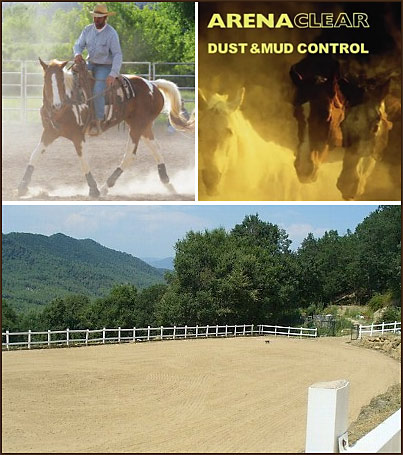
Health of the Equine Respiratory System, Create a healthy Arena Article by Teri Clark forArenaClear
Controlling arena dust protects a horse’s respiratory system because inhaled dust, mold, and ammonia can overwhelm the airways’ defenses and lead to conditions like heaves and exercise-induced pulmonary hemorrhage—an equine athlete moves more than 2,250 liters of air per minute in competition. Watering large arenas is time-consuming, costly, and mostly ineffective, while a mineral-based treatment such as ArenaClear works on dirt, soil, and sand footing by increasing its ability to hold moisture up to 250%, weighing down dust particles without creating mud. One gallon covers up to 10,000 square feet, and the mineral has been approved for agricultural use in California since 1971.
Veterinarian medicine studies*agree prevention & maintenance is the key to dealing with respiratory problems in our horses.
Let’s begin with the respiratory system itself. Air enters the nostrils — quickly moisture & heat are added, before it journeys to the trachea. Here turbinates’ trap larger particles as the first line-of-defense. Leaving the trachea, air moves through numerous larger airways called the Bronchi, then on to the smaller bronchioles . Here, fine hair like cilia & mucus cells act as a secondary particle collection agent. A light thin layer of mucus is considered healthy.
Intake ends at the alveolar sacs. Gas Exchange happens across this membrane, oxygen heads to the red blood cells (Oxygen is essential to organs & tissues) while carbon dioxide is expelled. Carbon Dioxide is a by-product of energy production. The last soldier of defense is the alveoli; the cells called macrophages clean up the remaining inhaled irritants & contaminates.
Overwhelming the lung’s defense system can decrease its ability to ward off respiratory infections, environmental or bacterial pollutants. Environmental contaminates include ammonia, Dust & mold. Bacterial pollutants include infectious agents & viruses. Wetness & humidity breed bacteria & fungus growth. Ammonia is a high irritant.
Horses are at risk of ammonia contamination during trailer journeys, in rental stalls or pens previously used by other animals at events, state & regional fairgrounds. Low dwellers, such as foaling mares, their foals, ponies & miniature horses are at greater risk. The dirt, sand or concrete in the stall/pens holds contaminates like bacteria, dust, mold & ammonia.
Demands on the respiratory system depend on whether the horse is at rest or in heavy performance. Performance horses demand large volumes of air. A typical horse (at rest) intakes 5 liters of air with one breath. During competition or exercise, an equine athlete will increase that amount to 15 liters per breath at 150 breaths per minute, or in other words, moving in 1 Minute - 2250 Plus Liters OF AIR Efficiently TO Compete & WIN.
A horse’s lungs act like a locomotive engine …”In running, the kinetic and potential energy fluctuate in-phase , and the energy change is passed on to muscles, bones, tendons and ligaments acting as springs” --Wikipedia.
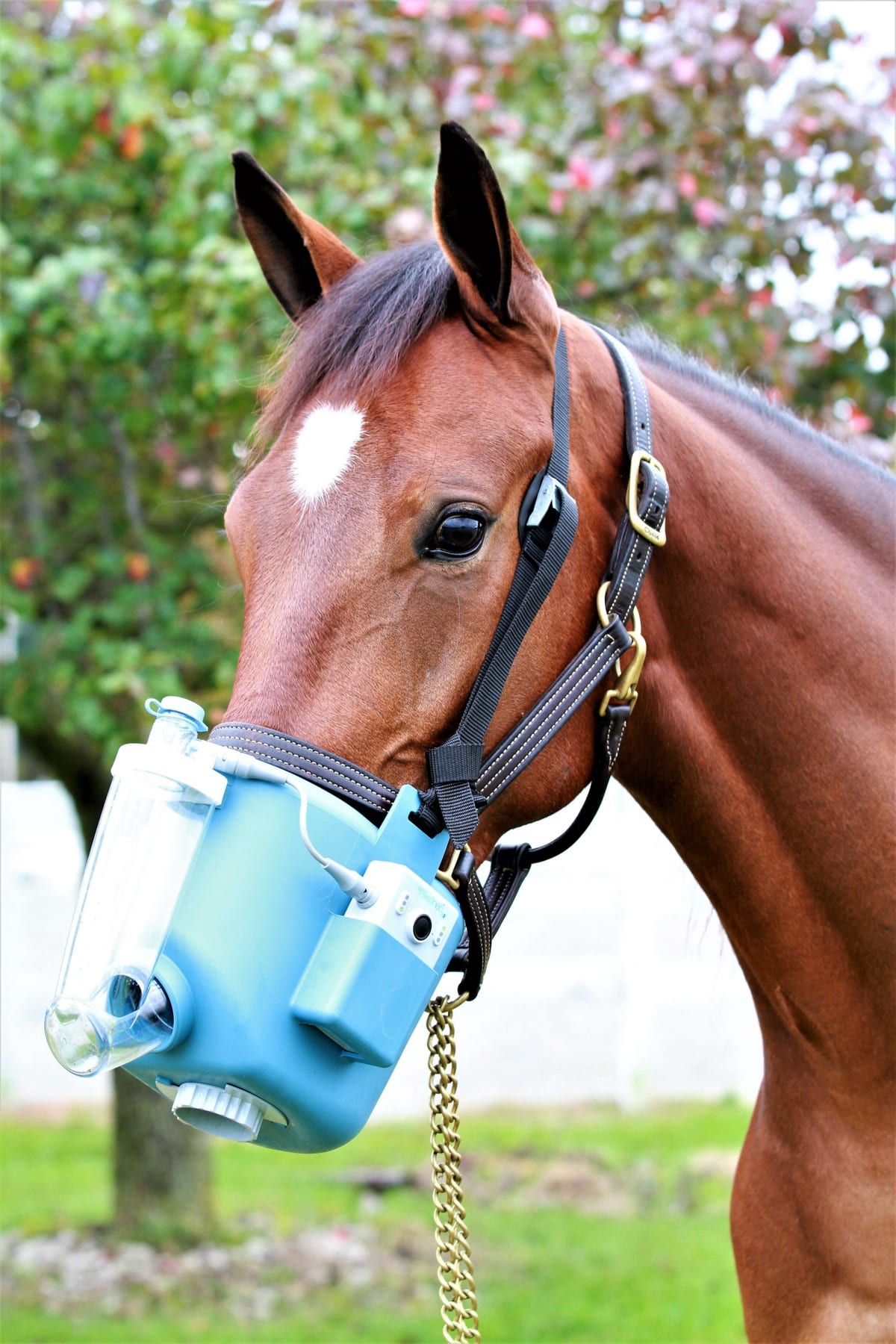
When contaminates cause even a slight increase in mucus, or thickening in the air passages, it will result in poorer performance, eventually leading to EIPH (exercise induces pulmonary hemorrhaging) or Copd, commonly called ‘heaves’. http://cvm.msu.edu/research/research-labs/equine-pulmonary -laboratory/respiratory-diseases/heaves
Horses forced to compete, hunt, jump, exercise or barrel race with mucus or blockage in their air ways, can compromise their health greatly. Often traces of blood are found near the nostrils indicating EIPH. The lack of blood does not mean the horse is not experiencing EIPH. Imagine trying to pull air into your lungs thru a narrow straw while running at full speed.
Increasingly, over time the damage will manifest itself & take its long term toll on the equine’s ability to inhale the 2,250 liters of air per minute. Performance becomes poorer & poorer. Respiratory diseases weaken the immune system, furthering the opportunity for large scale infections, long recoveries & higher veterinarian bills or even loss of the animal. Coughing is only one indication among many of the presence of respiratory disease.
Minimizing the horse’s exposure to Dust, mold & ammonia is essential to their healthy respiratory system, but it’s not only the horses that are at risk. Trainers, instructors, their caretakers, riders young & old increasingly develop Asthma,Coph, pneumonia & other respiratory diseases & infections caused by Dust, Mold & ammonia & are 2 times more likely to develop Chronic Bronchitis.
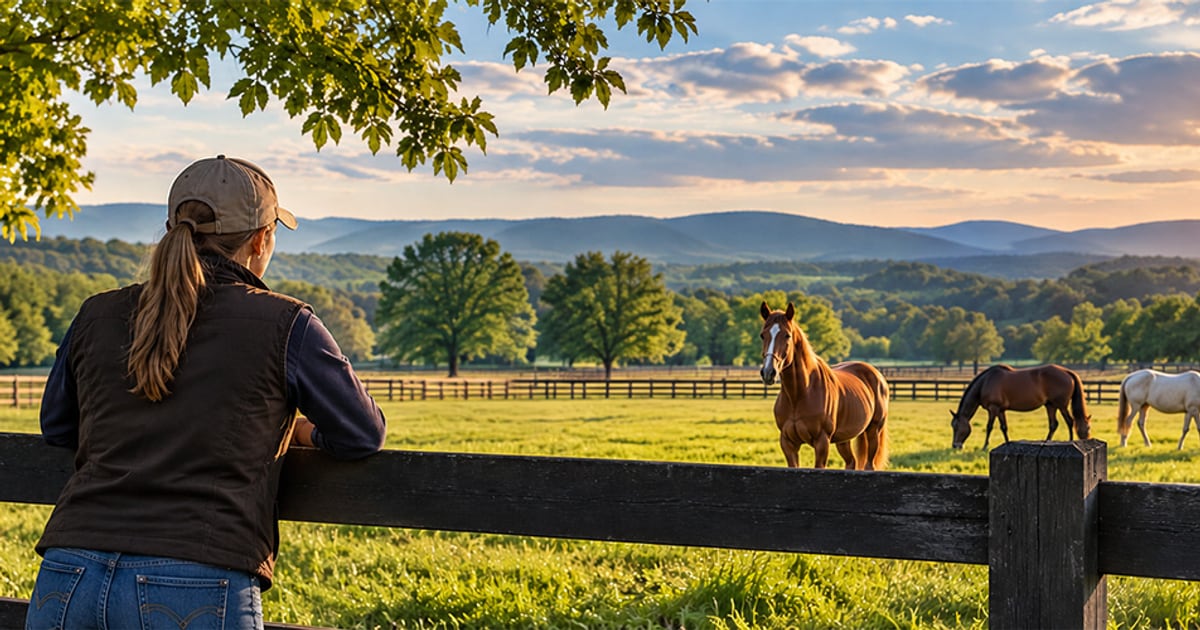
Arenas are the biggest culprit of Dust’s contribution to our lungs. Various footing ingredients used in arenas, as well as added thru horse manure, are the prime source of dust. Clay, caliche & sand are dust makers. Pulverized by hooves, sand, manure & (worst yet) used shavings….. They ALL become dust. Look at your pants & boots after a ride. Imagine what your lungs look like? What toll is dust taking on your horses and you?
Finding a safe effective aid to Dust Control is essential for you and your horse. Watering large areas is not only time consuming, costly & mostly ineffective. We’d all rather ride than water.
Most dust control products are expensive and caustic. Replacing your footing with the new fancy products can run into the thousands of dollars. If you have the much money to spend, then by all means try it, but we believe we have a better solution.
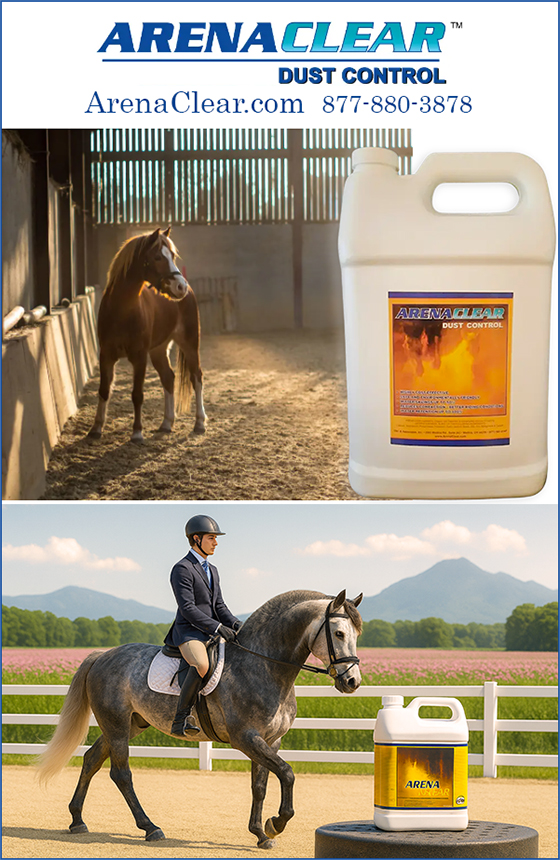
Arenaclear is that inexpensive solution for your arena. Arenaclear was first used as an agricultural mineral to grow organic carrots, tomatoes, artichokes and has been an approved in California since 1971. When the farmers over sprayed the fields or spilled it on the roads, we discovered it controlled dust too. Arenaclear is safe for you & your horse’s hooves.
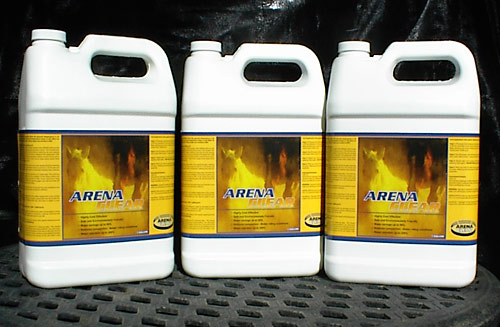
Arenaclear works on all types’ footings - soils, dirt & sand. When applied to your footing, per the instructions, it will permeate the soil & increase its ability to hold moisture (up to 250%), which weighs down the dust particles, without being muddy. Easy to apply, use a hose-in-(Quart) sprayer found at Home Depot or Lowes (for fertilizing your flowers).
One gallon of Arenaclear covers up to 10,000 square feet (100’ by 100’) & is very cost effective. Multiply your width times your length for square footage. The website www.Arenaclear.com shares FAQ’s or call Teri or John at 877-562-8147.
Contact: Our Friendly Staff 3593 Medina Road Suite #243 Medina, Ohio 44256 Phone: (877) 562-8147 Email: [email protected] Website: ArenaClear.com
Reference used: Kentucky Equine Research Center---“Small Airway Disease & Equine Respiratory Health”. Reference used: cvm.msu.edu/research/research-labs/equine-pulmonary-laboratory/respiratory-diseases/heaves Reference:cvm.msu.edu/research/research-labs/equine-pulmonary-laboratory/respiratory-diseases/exercise-induced -pulmonary-hemorrhage Todd D. East under the direction of the faculty and staff of the Equine Pulmonary Laboratory.