
Helping Horse Owners Make Informed Decisions
Inflammation and What it Does to Your Horse

Inflammation and What it Does to Your Horse

By Ann Pruitt · Advertise with us · April 10, 2025 · Health

Curious about inflammation and what it does to your horse and want a no-fluff horse-industry read?

Inflammation and What it Does to Your Horse
The InfoHorse ListenerListen to this article · 2 min
0:00
Key Takeaways
  • Three inflammation phases: Acute (swelling, redness, heat), Sub-Acute (regeneration), Chronic (ongoing low-grade).
  • Chronic inflammation drives musculoskeletal injuries, lameness, metabolic issues, and immune problems.
  • Per Erik Jackson: feed additives can cause unnecessary chronic inflammation.
  • Watch for: BHT, Sodium Benzoate, Magnesium Stearate, artificial flavors and colors.
  • Reading feed labels actively reduces hidden inflammation triggers.

How can we support healthy inflammation and get rid of unnecessary inflammation in the body? The inflammatory process is highly complex. There are 3 main phases in the process that are helpful for horse owners to know to manage it properly.

Acute: Swelling, redness, heat, loss of function

Sub-Acute: Regenerative processes

Chronic: consistent low-grade inflammation can cause musculoskeletal injuries, lameness, metabolic & immune issues

Are there sneaky ingredients in your horse's feed that could be contributing to their inflammation?

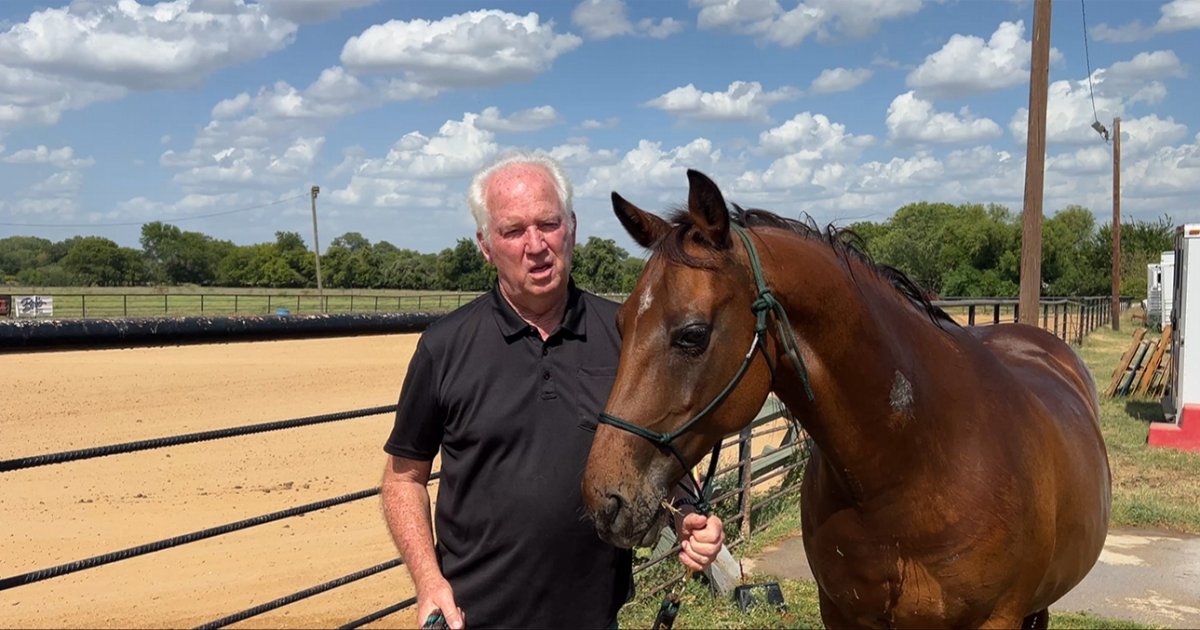
Knowing what is in our horse's feed can help us understand where low-grade chronic inflammation is coming from. Does your horse take longer to heal soft tissue injuries than others? Does your horse seem to have a weakened immune system? Does our horse have metabolic syndrome? In this 3-minute video, Erik Jackson talks about unnatural feed additives and the effects they play on the body.

Inflammatory Feed Additives

Artificial Flavors - By products of petroleum waste

Magnesium Stearate - Breaks down into stearic acid - loss in T-cell function (weakened immune system)

Butylated Hydroxytoluene (BHT) - Cancer and tumor growth in lab rats - The body can't naturally excrete it.

Sodium Benzoate - Mold inhibitor but converts to benzene in the body, a known carcinogen. Linked to chronic inflammation in animal studies.

Artificial Colors - Man-made chemical compounds, often by-products of petroleum waste and crude oil production.

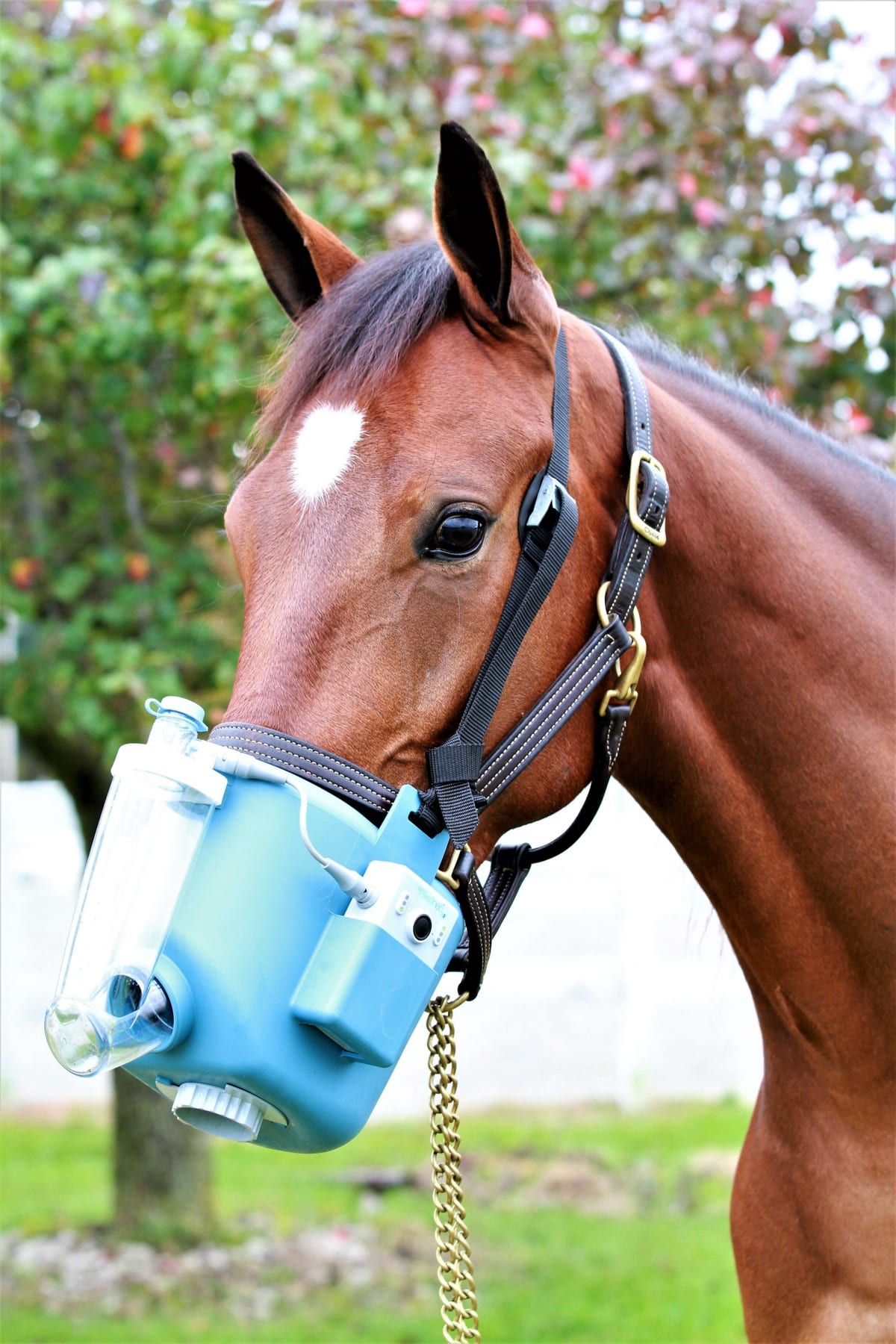
Caring for our horses.
Questions Readers Commonly Ask (FAQ)
What are the three phases of inflammation?

Per Erik Jackson: Acute (swelling, redness, heat, loss of function—the body's immediate response), Sub-Acute (regenerative processes during healing), and Chronic (ongoing low-grade inflammation that drives musculoskeletal injuries, lameness, metabolic syndrome, and immune dysfunction).

Which feed additives can drive inflammation?

Per Erik Jackson: artificial flavors (petroleum byproducts), Magnesium Stearate (T-cell loss / weakened immunity), BHT (cancer/tumor risk in lab studies), Sodium Benzoate (converts to benzene, a carcinogen), and artificial colors (petroleum and crude oil byproducts). Any of these read on a feed label warrants a closer look.

How do I tell if my horse has chronic inflammation?

Per Erik Jackson: slow soft-tissue recovery, recurring lameness without obvious cause, weakened immune response, metabolic syndrome, and persistent low-grade swelling. Symptoms can be subtle but compound over time into major problems.

Can I reduce inflammation by changing feed?

Per Erik Jackson: yes. Switching to feeds without inflammatory additives, adding omega-3 fatty acids, and ensuring complete trace mineral profile all reduce the chronic-inflammation load. Many owners report visible improvement within months of cleaning up feed sources.

Should every horse owner read feed ingredient lists?

Per Erik Jackson: yes. "Premium" feed brand alone isn't enough—the actual ingredient panel reveals what's in the bag. Compare brands, ask manufacturers about questionable ingredients, and don't hesitate to switch to cleaner options.

📰

Recommended Articles

More reads from across InfoHorse.com

Ann Pruitt
Contact Ann Pruitt
InfoHorse.com