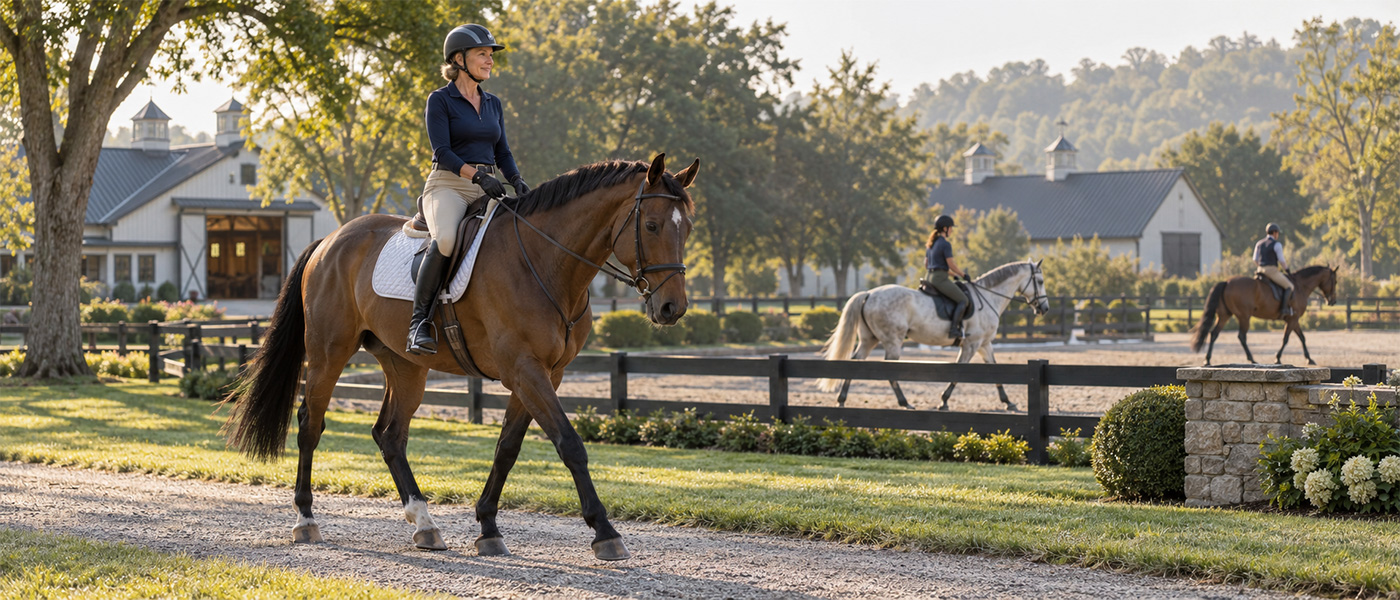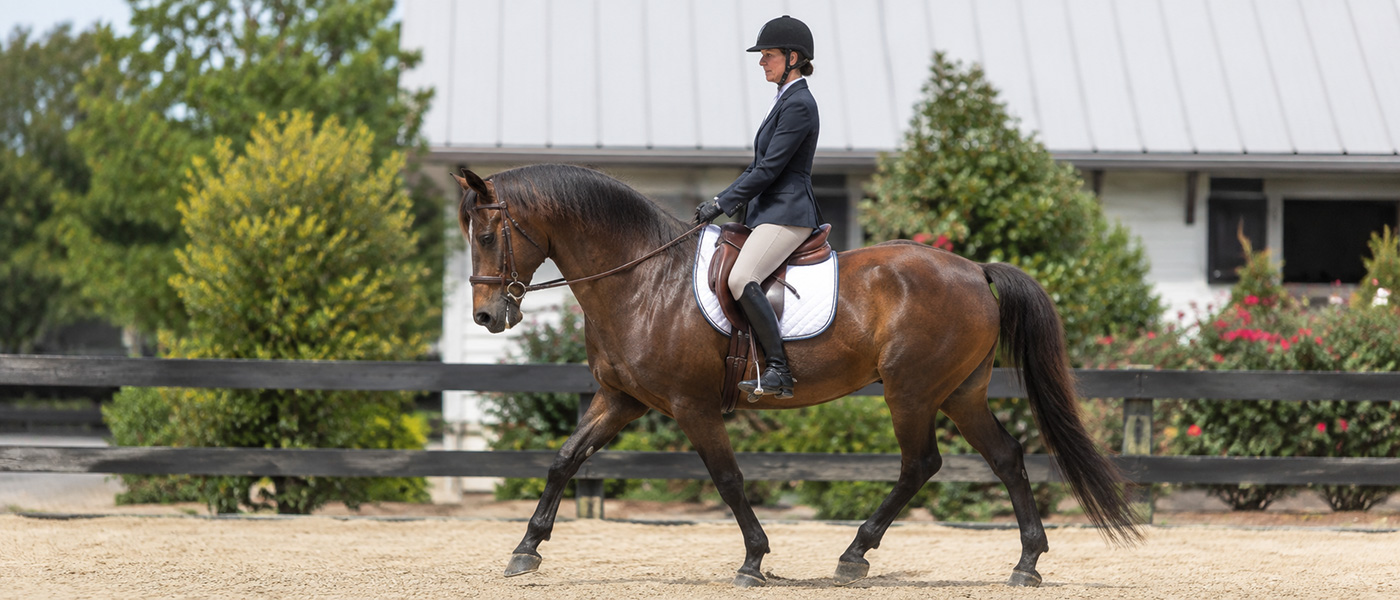


Young riders do not need louder pressure; they need a clearer plan for what good riding feels like. Equitation can be wonderful for young riders because it rewards position, track, accuracy, and composure. It can also feel brutally public when a teen is trying to learn balance while adults comment from the rail.
A confidence plan gives the rider something smaller and more useful than “be brave.” It gives them a body cue, a horse-care habit, a show routine, and a way to talk about mistakes without becoming the mistake.
The Bridleway rule: Build confidence through repeatable jobs: breathe, balance, track, communicate, recover.
Separate courage from readiness
A nervous rider is not automatically uncommitted. Nerves often mean the rider cares, senses risk, and wants to do well. The adult job is to turn that energy into preparation instead of shame.
Readiness looks like a rider who understands the exercise, has tack checked, knows the first job, and has a reset plan if the round gets messy. Courage then has somewhere useful to go.
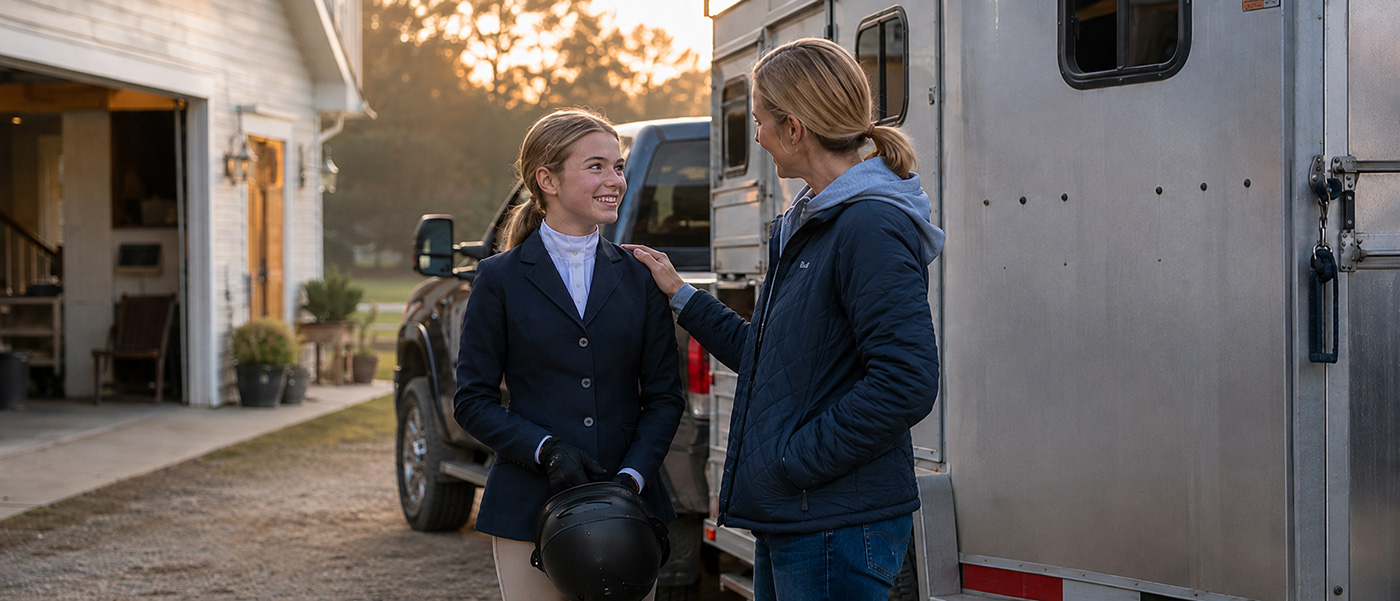
Parent note: The most useful question after a hard lesson is not “why did you do that?” Try “what did you feel first, and what did your trainer want you to try next?”
Give the rider one position cue at a time
Equitation can drown a young rider in corrections: heels, hands, eyes, hip angle, release, track, pace, shoulders. A good lesson may touch all of those, but the rider usually needs one priority at a time to build confidence.
Choose the cue that changes the most: eyes up before the turn, breathe after the fence, soften the elbow, or close the leg without gripping. One useful cue beats six frantic reminders.
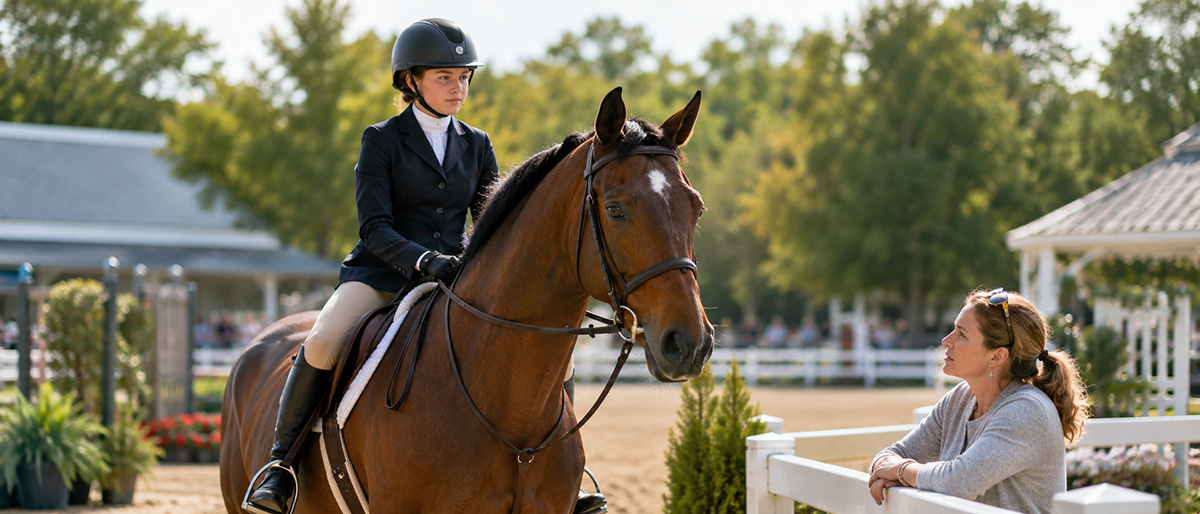
Rail pressure
Multiple corrections from multiple adults while the rider is already trying to process the horse.
Coaching clarity
One trainer voice, one job for the next attempt, and a short debrief after the ride.
Practice recovery, not perfection
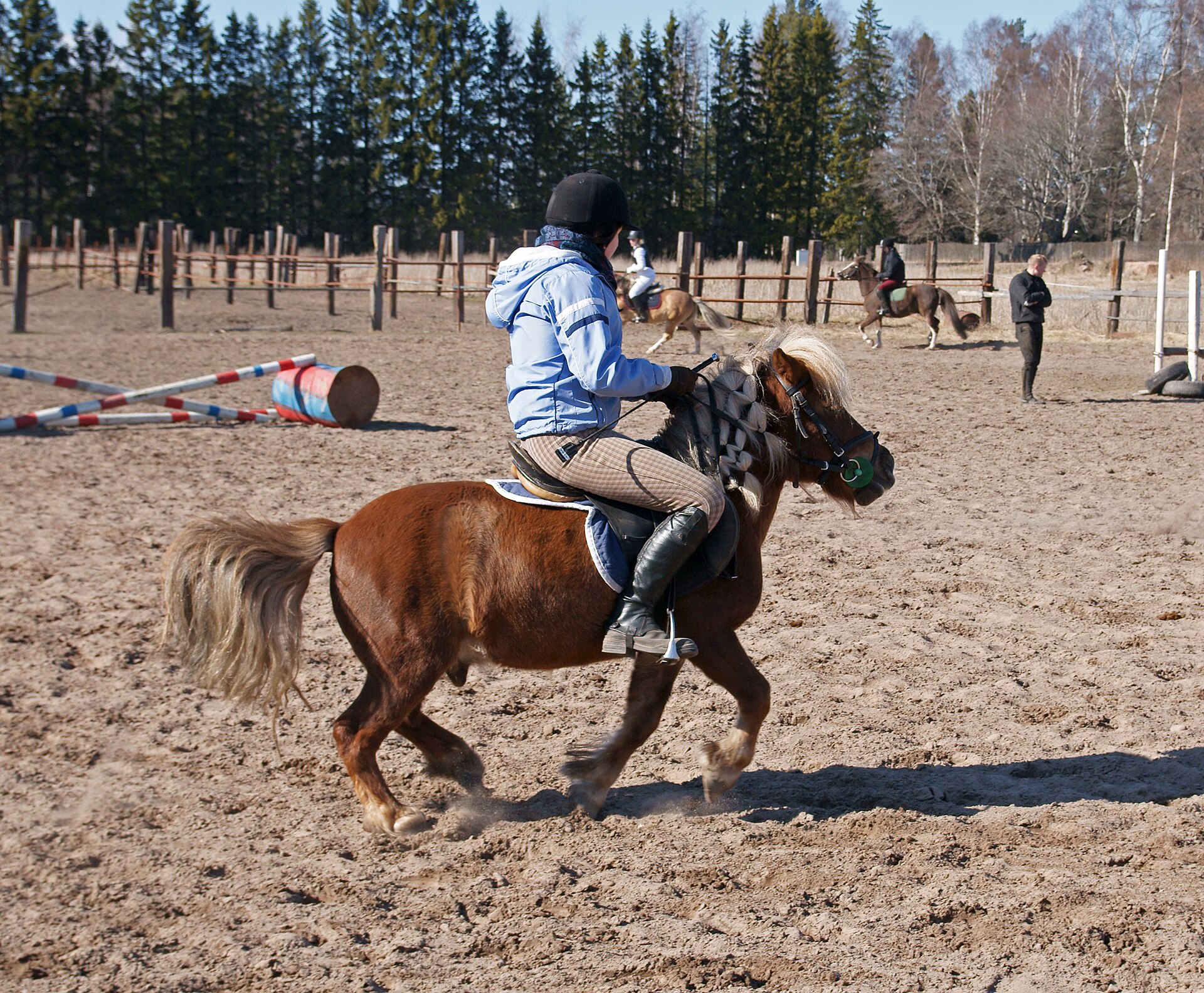
The riders who look confident are not riders who never make mistakes. They are riders who recover quickly: rebalance, breathe, find the next line, pat the horse, and learn from the moment.
That skill can be trained. Build lessons where the rider deliberately practices a reset after a missed distance, a late lead change, a crooked approach, or a show-day disappointment.
| Moment | Useful rider job | Adult support |
|---|---|---|
| Before lesson | Name one goal and check tack. | Keep logistics calm and on time. |
| During nerves | Breathe, look up, ride the first step. | Avoid extra voices from the rail. |
| After mistake | Recover the track and try the next job. | Do not turn one error into the rider identity. |
| After lesson | Say one thing learned and one thing to practice. | Ask questions that connect words to feel. |
The confidence standard
A young rider is growing when they can describe what happened, what they felt, and what they will try next without collapsing into shame or blame.
What riders are asking before they buy, show, or change the routine
The useful question is often more ordinary than the polished product copy. Riders and parents want to know what will help the horse feel better, what will keep the rider safer, what is worth paying for, and what can wait. The better buying habit is to translate each worry into a check you can repeat at the barn.
Keep these questions open
- How can a young equitation rider build confidence?
- What should parents say after a hard lesson?
- How many position corrections should a rider focus on?
- Are show nerves normal for teens?
Make the horse part of the confidence plan
Confidence should not become rider-centered ambition at the horse's expense. Grooming, tack checks, walking out, cooling down, and noticing the horse's mood all help a young rider become less self-absorbed and more capable.
The best equitation programs create riders who can win politely and lose usefully. That is an education worth more than a ribbon.
When fear changes behavior, slow down. If a young rider is consistently panicked, unsafe, or physically tense, reduce the question and involve the trainer. Confidence does not grow from repeated overwhelm.
What to ask the professional before you spend more money
A polished English-riding decision still benefits from a second set of expert eyes. Before buying the upgraded version, changing equipment, adding a new product, or blaming the horse, bring a clean question to the trainer, veterinarian, fitter, farrier, barn manager, or product specialist.
| Ask | Why it helps |
|---|---|
| What problem are we solving first? | It separates comfort, safety, training, rule, and presentation questions. |
| What evidence would change the plan? | It keeps the decision from becoming brand loyalty or barn rumor. |
| How will we know this worked? | It turns the purchase or routine into an observable horse-care test. |
How to use this guide this week
Pick one checkpoint from this guide and use it before or after three rides this week. Write down what you saw, what the horse felt like, and whether the answer changed after a lesson, a harder school, or a show-day simulation. Good horsepeople do not need perfect guesses. They need repeatable observations.
Simple record: Keep a tiny note in your phone: date, horse, work, what changed, and what you will ask your trainer or professional next. Patterns are where ordinary barn notes become useful horsemanship.
Research note: This Bridleway guide was shaped from Practical Horseman, Horse & Hound, r/Equestrian reader discussions. Forum and Reddit discussions were used only to understand common rider questions, not as veterinary, legal, or rule authority.