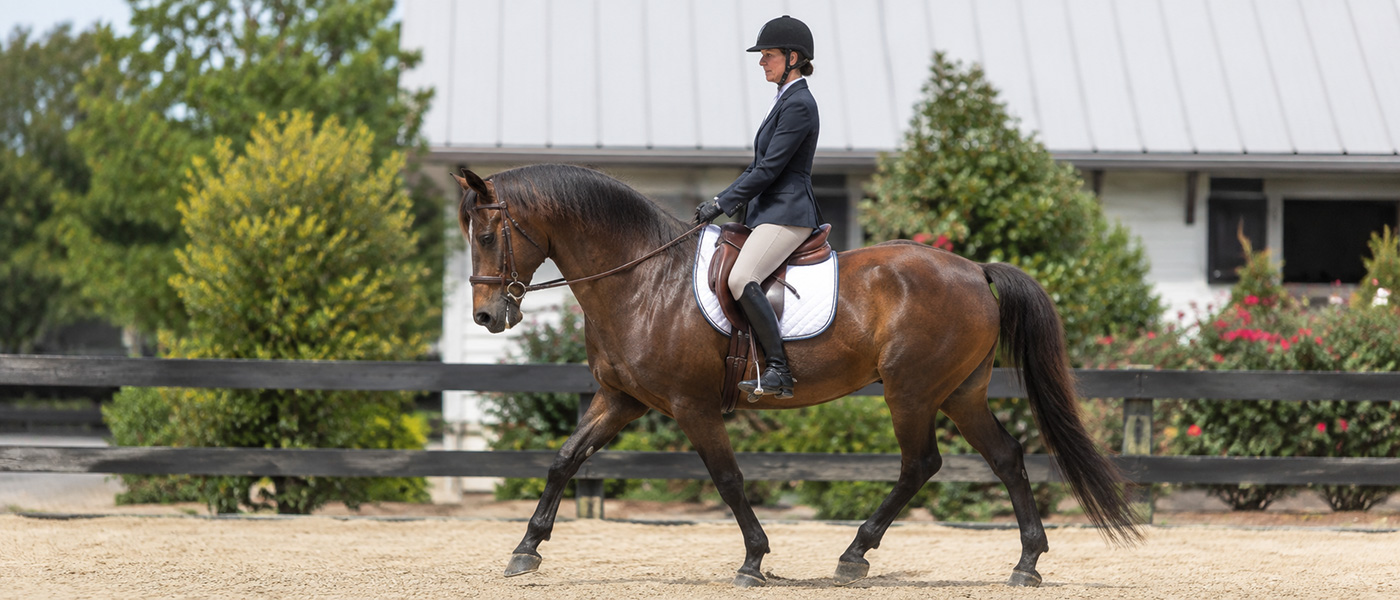


Rider fitness is not about looking like an athlete; it is about giving quieter aids to the horse. English riders ask a lot of their bodies: independent hands, elastic hips, a stable lower leg, quick recovery after a jump, enough core tone to half-halt without pulling, and enough breath to think under pressure.
The trend toward rider fitness is useful when it stays horse-first. A stronger rider should not become a tighter rider. The goal is supple strength, better balance, calmer breathing, and fewer accidental mixed signals.
The Bridleway rule: Train for quiet aids: core that stabilizes, hips that follow, legs that support, and breath that prevents panic.
Core is not bracing
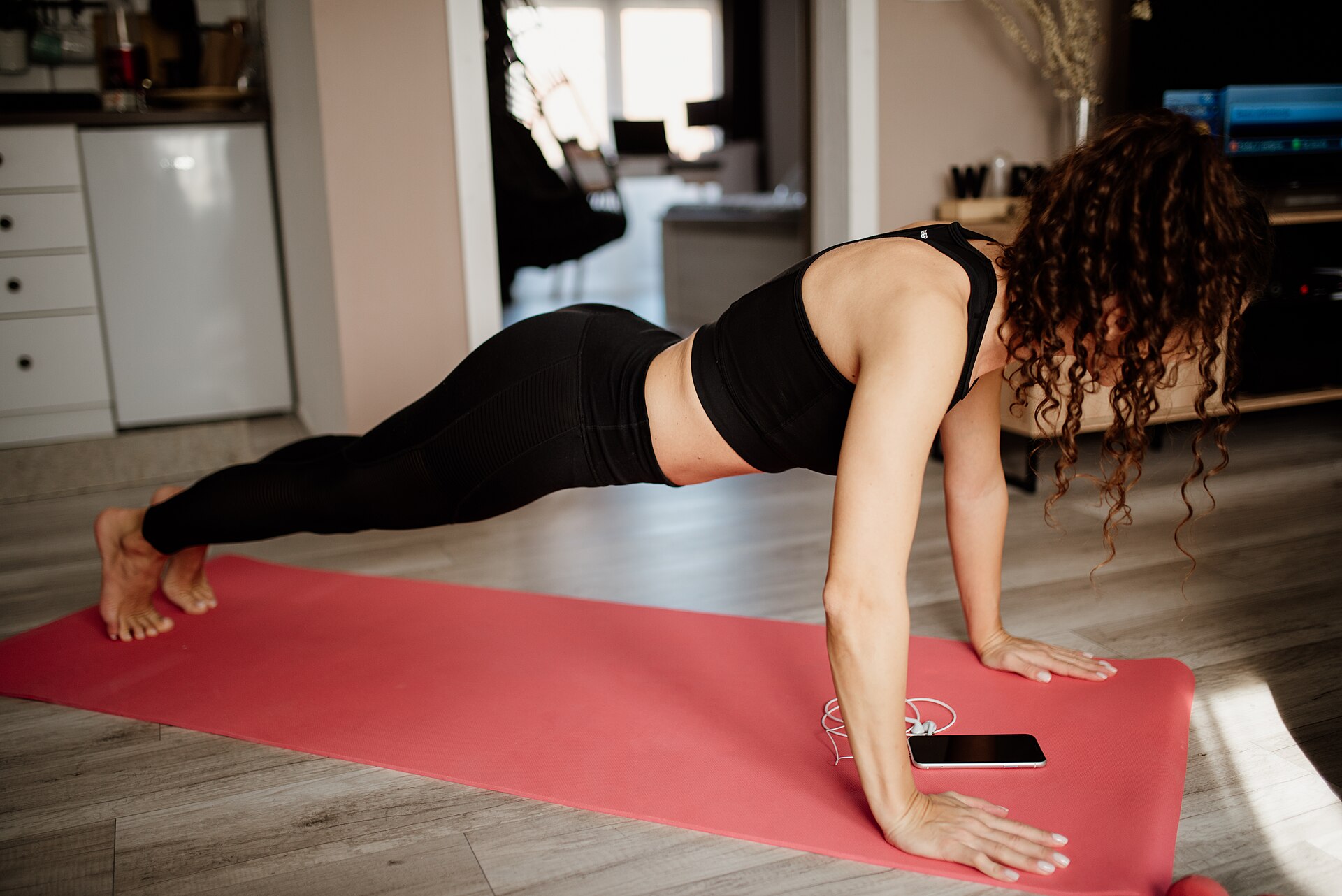
A useful core helps the rider organize the body without locking the back, gripping the knee, or hanging on the reins. Think of it as quiet tone: enough support to stay centered, enough softness to follow the horse.
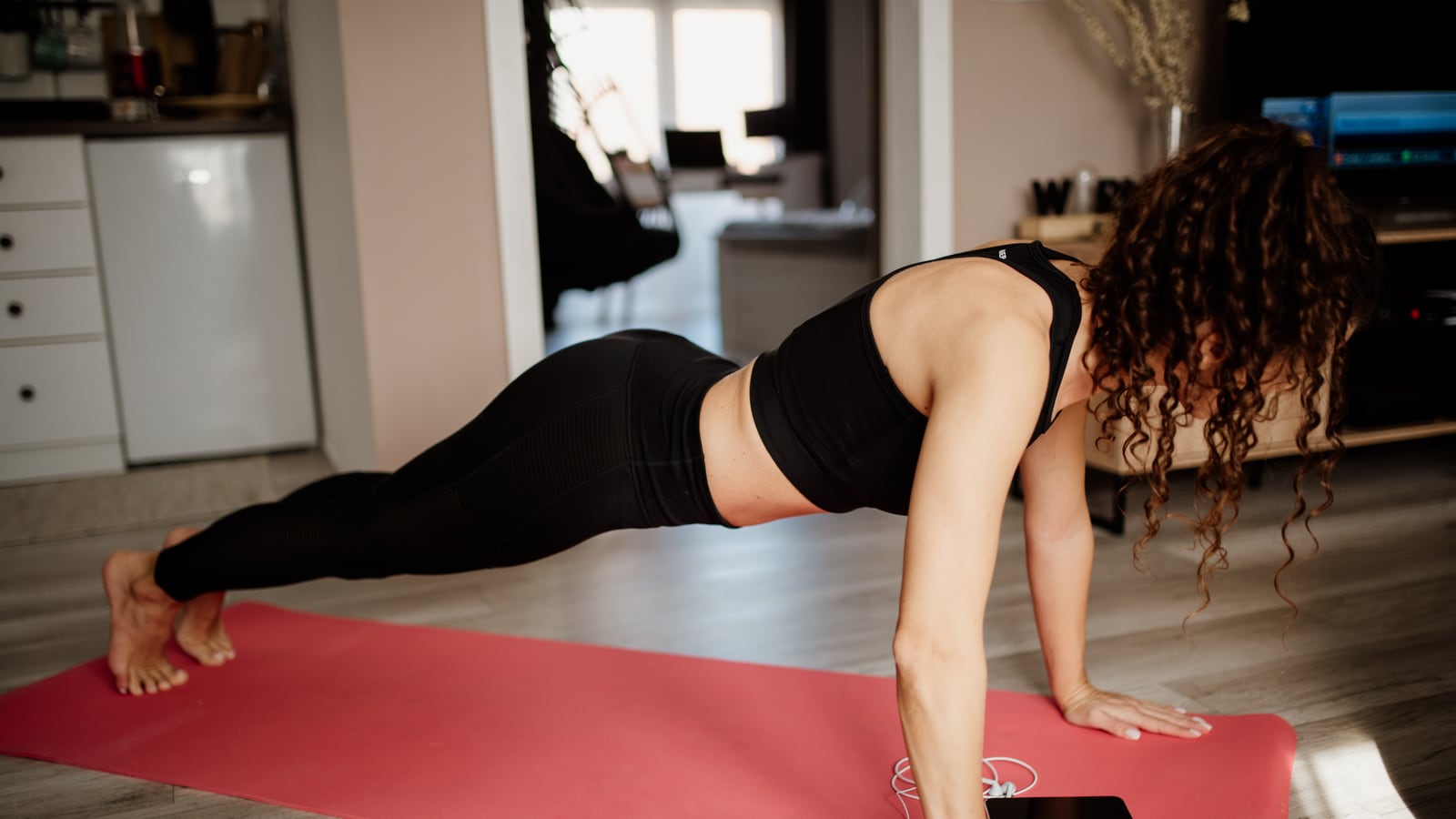
Exercises such as dead bugs, bird dogs, side planks, carries, and controlled breathing can help riders develop stability without creating stiffness. The goal is control, not punishment.
Tight strength
Looks committed but creates a locked seat, busy hands, and a horse that may feel blocked.
Supple strength
Creates stability with enough softness for rhythm, follow, release, and recovery.
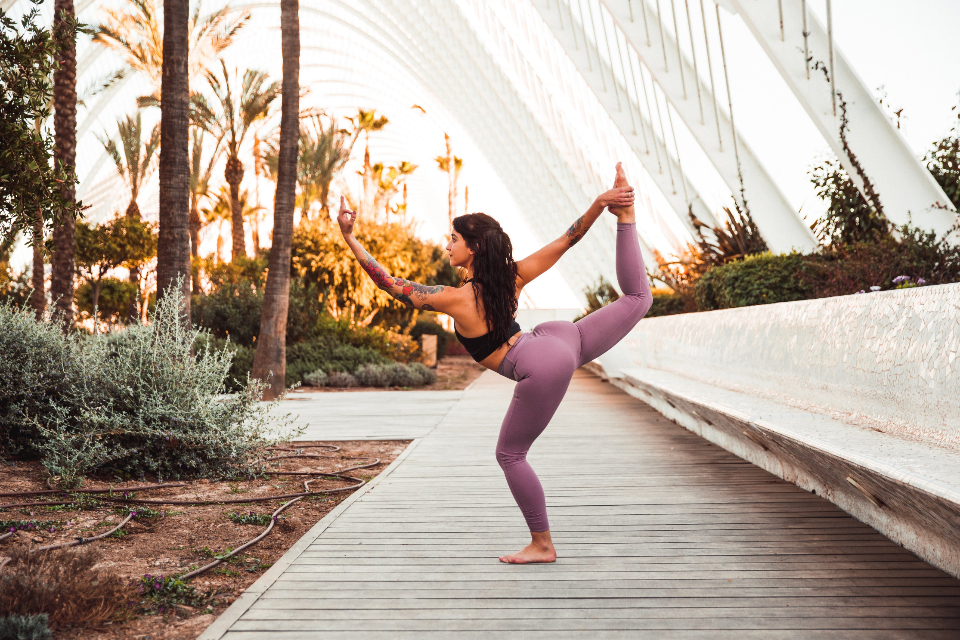
Hips and ankles decide whether the leg can stay useful
English riders often talk about the lower leg, but the hip and ankle make much of that possible. Tight hip flexors, weak glutes, limited ankle mobility, or one-sided stiffness can show up as gripping, chair seat, tipped shoulders, or a heel that cannot settle.
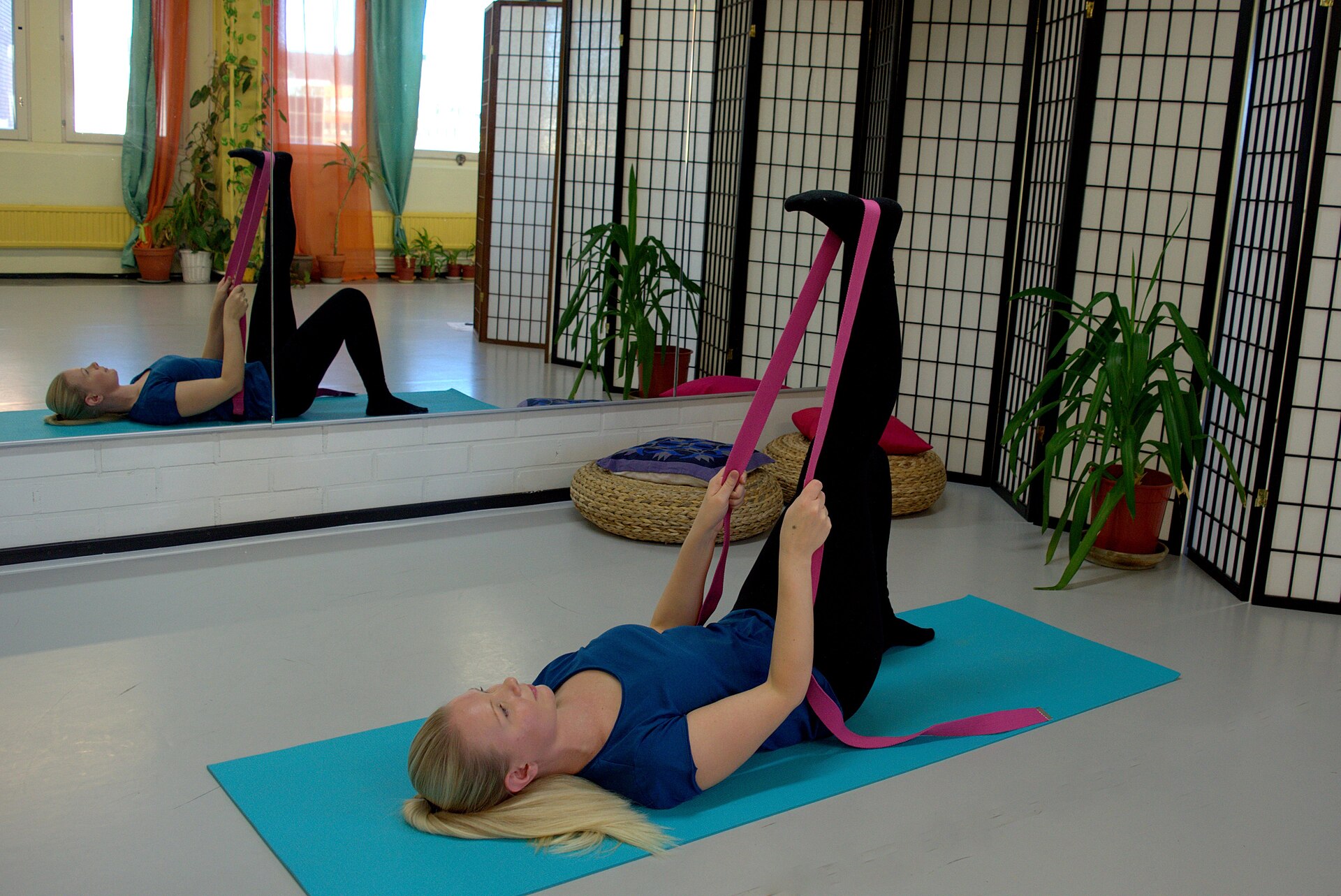
Mobility work does not have to be elaborate. Hip airplanes with support, deep squat holds if appropriate, calf mobility, glute bridges, and controlled lunges can all help when done consistently and safely.
Teen rider note: You do not need a complicated gym identity. Ten smart minutes done three or four days a week can change how balanced you feel in the saddle.
Balance should be trained off the horse too
Balance improves when the body learns to recover from small changes without panic. Single-leg stands, slow step-downs, balance-board work with supervision, and controlled transitions from two-point to standing posture can help riders organize their body before the horse adds motion.
For jump riders, recovery after the fence matters. For dressage riders, balance during transitions and lateral work matters. For everyone, breath matters because a rider who holds breath often holds the horse.
| Rider goal | Simple exercise idea | Riding benefit |
|---|---|---|
| Quiet core | Dead bug, bird dog, side plank, farmer carry. | More stable seat and fewer rein-based balance fixes. |
| Mobile hips | Hip flexor stretch, glute bridge, supported lunge. | Better following seat and less knee grip. |
| Useful lower leg | Calf mobility, slow step-downs, wall sits. | More stable base for transitions and fences. |
| Breath under pressure | Box breathing, long exhale resets, walk breaks. | Calmer decisions in warm-up and at shows. |
Pain is not a training plan.
Riders with injuries, dizziness, joint pain, pregnancy, medical conditions, or major fitness changes should use qualified medical or fitness guidance before starting new exercises.
What riders are asking before they buy, show, or change the routine
The useful question is often more ordinary than the polished product copy. Riders and parents want to know what will help the horse feel better, what will keep the rider safer, what is worth paying for, and what can wait. The better buying habit is to translate each worry into a check you can repeat at the barn.
Keep these questions open
- What exercises help English riders most?
- How often should riders do fitness work?
- Can rider fitness improve dressage?
- Can rider fitness improve jumping?
A realistic weekly rhythm
The best plan is one a rider will actually repeat. Two short strength sessions, two mobility resets, one balance session, and breath work before lessons can be enough to start seeing a difference.
Track riding outcomes instead of mirror outcomes: quieter hands, steadier lower leg, less fatigue, easier sitting trot, faster recovery after fences, calmer warm-ups, and fewer moments where the horse pays for the rider losing balance.
The Bridleway fitness test
After four weeks, ask: did my horse feel fewer accidental signals from my body? If yes, the work is doing its job.
What to ask the professional before you spend more money
A polished English-riding decision still benefits from a second set of expert eyes. Before buying the upgraded version, changing equipment, adding a new product, or blaming the horse, bring a clean question to the trainer, veterinarian, fitter, farrier, barn manager, or product specialist.
| Ask | Why it helps |
|---|---|
| What problem are we solving first? | It separates comfort, safety, training, rule, and presentation questions. |
| What evidence would change the plan? | It keeps the decision from becoming brand loyalty or barn rumor. |
| How will we know this worked? | It turns the purchase or routine into an observable horse-care test. |
How to use this guide this week
Pick one checkpoint from this guide and use it before or after three rides this week. Write down what you saw, what the horse felt like, and whether the answer changed after a lesson, a harder school, or a show-day simulation. Good horsepeople do not need perfect guesses. They need repeatable observations.
Simple record: Keep a tiny note in your phone: date, horse, work, what changed, and what you will ask your trainer or professional next. Patterns are where ordinary barn notes become useful horsemanship.
Research note: This Bridleway guide was shaped from British Horse Society horse-care guidance, Practical Horseman, r/Equestrian reader discussions. The topic is active across rider communities because many English riders want better position without turning fitness into another source of shame. Forum and Reddit discussions were used only to understand common rider questions, not as veterinary, legal, or rule authority.