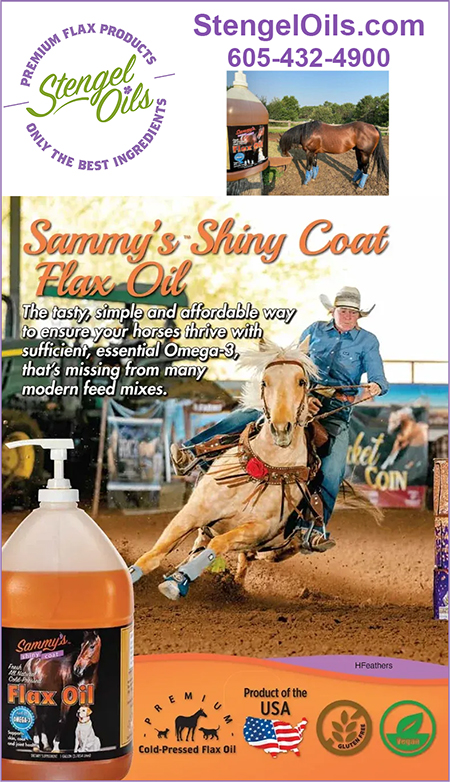
Omega supplements give your horse the essential fatty acids — especially the omega-3s — that a hay-and-grain diet often runs short on, particularly for horses kept in stalls or dry lots where fresh pasture is scarce. The payoff shows up right where owners notice it: a deeper, glossier coat, calmer skin through bug season, suppler joints, and steadier energy without the fizz that comes with more grain. The omega-3s are the anti-inflammatory workhorses — you'll find them in flax, chia, and fish oil — and here's the part the label won't shout about: many bagged feeds actually carry more omega-6 than omega-3, so the ratio matters more than the total "fat" percentage on the tag. When you compare products, check three things: the source (stabilized ground flax and marine oils are popular for good reason), whether the omega-3 content is actually listed in milligrams, and palatability — the best supplement is the one your horse will clean up. Introduce it gradually over a week or two, give the coat 6–8 weeks to answer, and check with your vet first if your horse has a metabolic condition. Below, compare trusted omega supplement makers.