Explore InfoHorse.com's newest horse care articles, equine health guides, training tips, barn and fencing resources, tack advice, feed information, trailering safety, and practical owner tools in one living reading trail for serious horse owners.
Fresh From The Bridle Path
Swipe, tap a story chip, or use the arrows to preview the newest InfoHorse reads.
The remarkable journey of the horse—from ancient North America to the Old World, back across the Atlantic with Spanish explorers, onto the American range and, finally, into a...
When horse owners start looking for pasture or paddock fencing, they usually have several priorities at once. The fence needs to be easy for horses to see, strong enough for an...
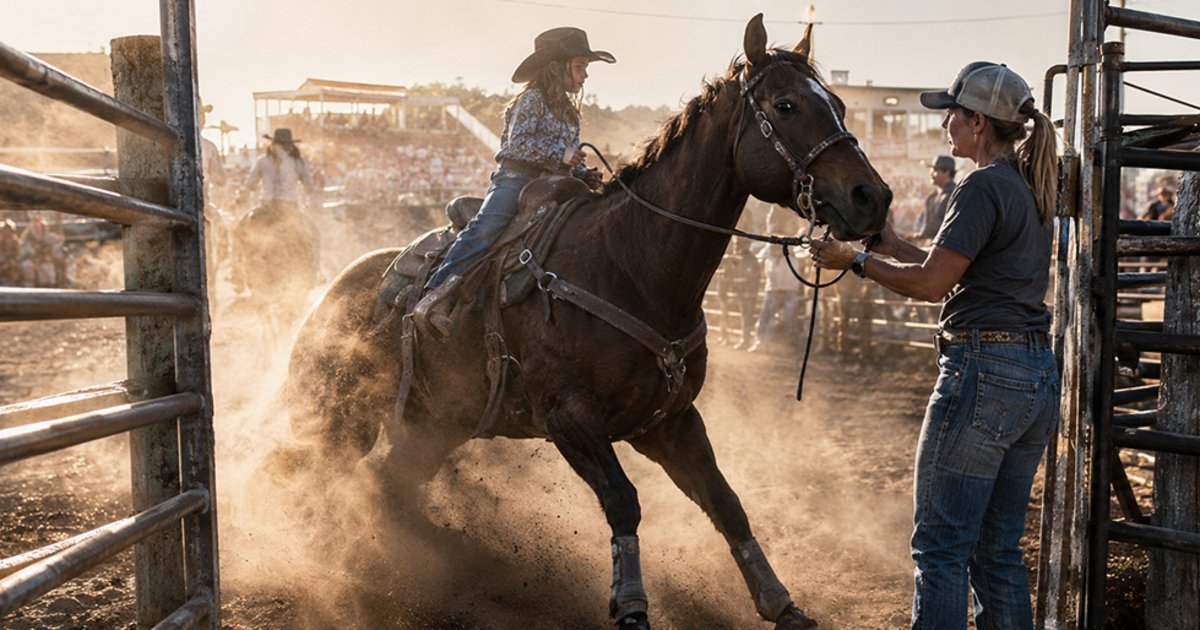
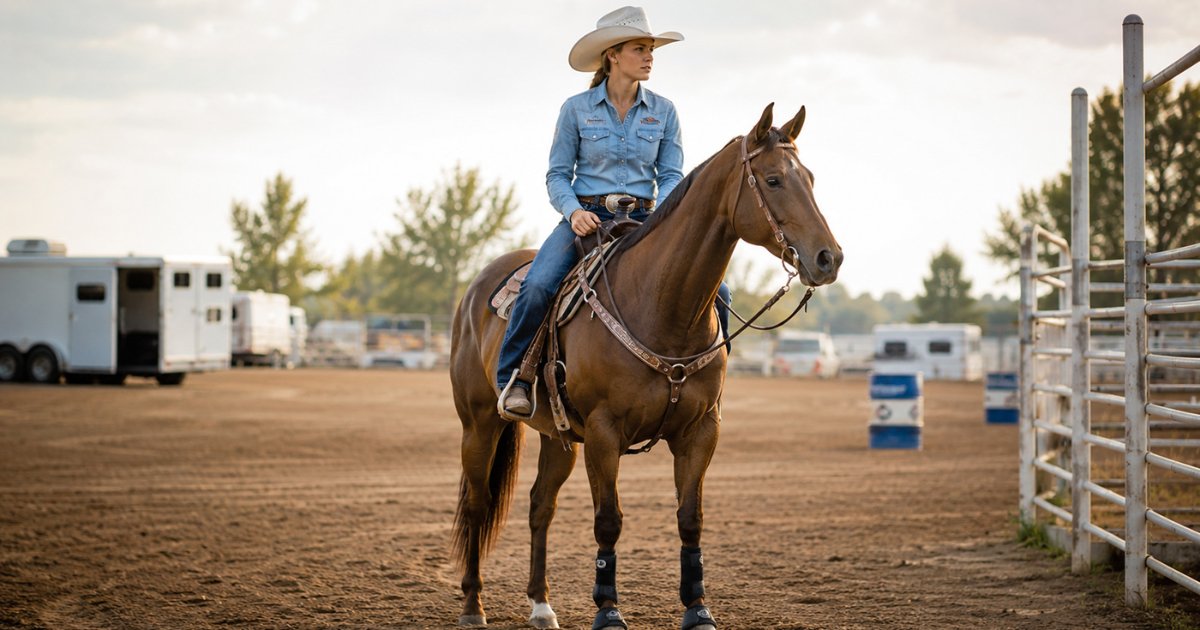
A man came back from social media and found children strapped into saddles. Bob has wondered the same thing in the barrel-racing alley for years, and asks the simpler question: who won?
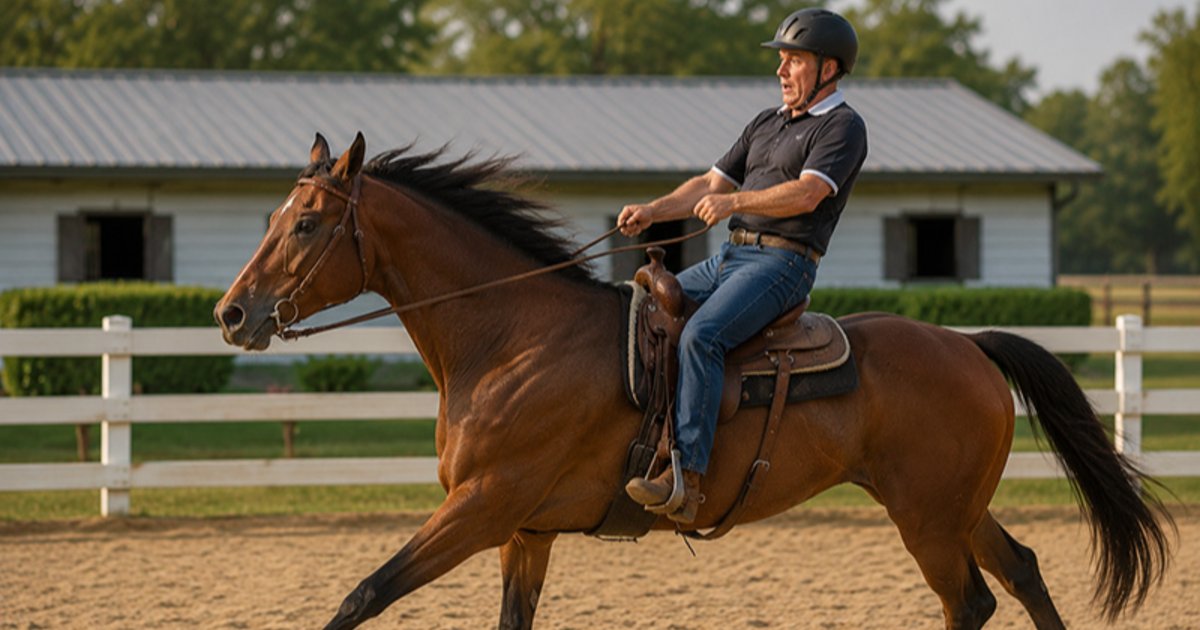
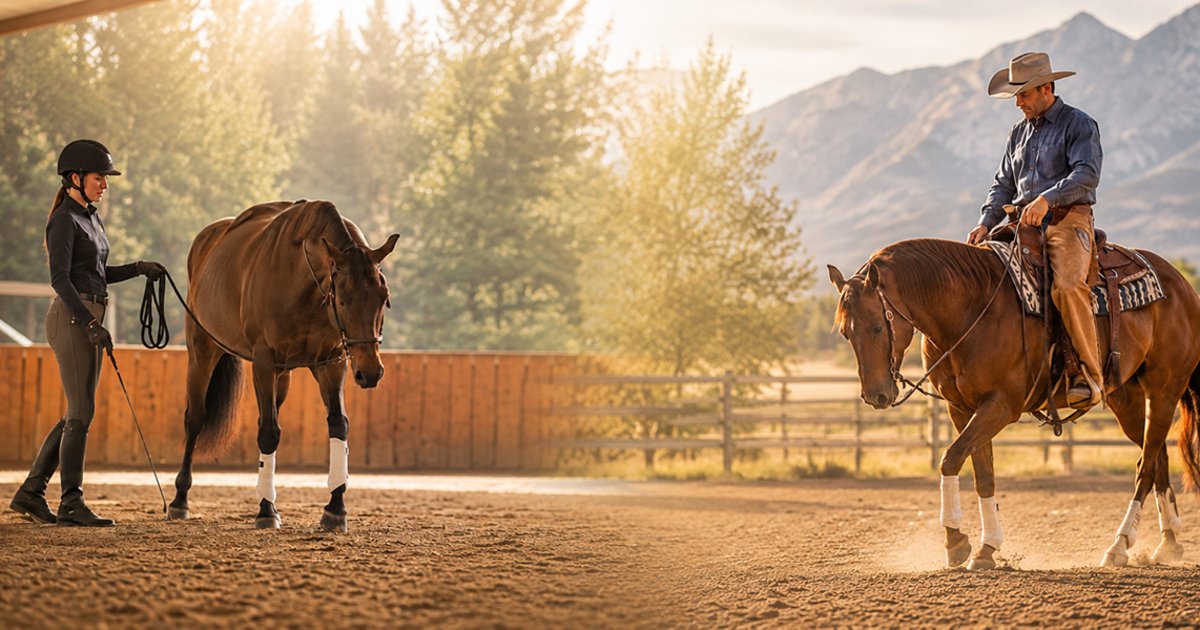
Bob softened the reins to reward a good trot, and his English-trained Morgan took off. The first Wenglish Horsemanship lesson: what the reins mean on each side of the fence.
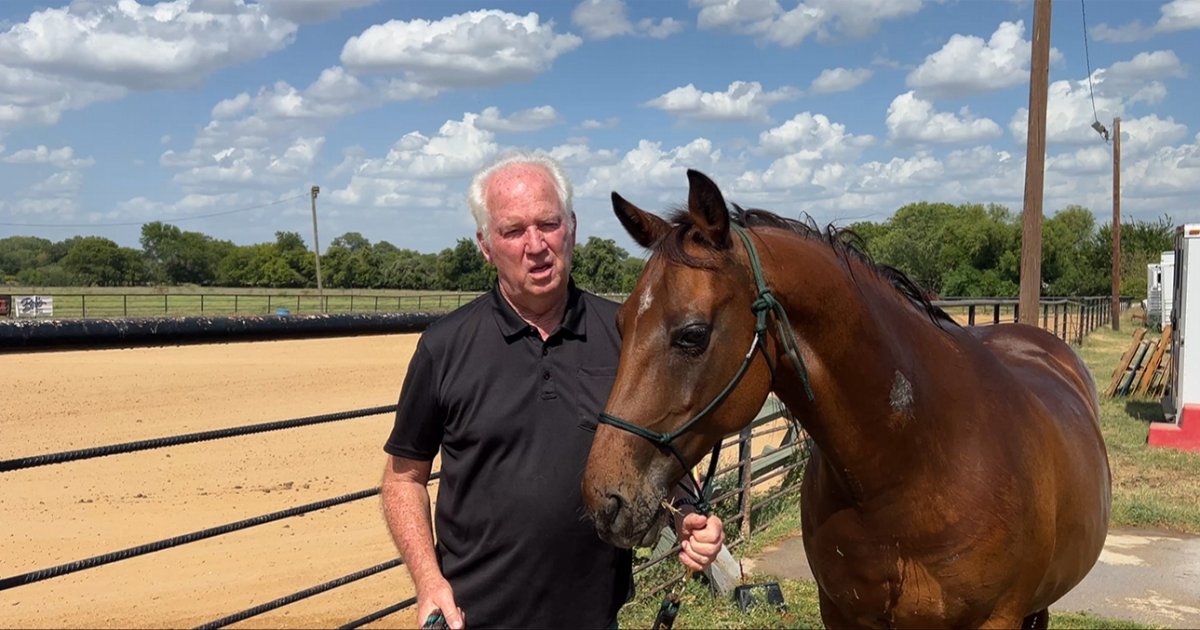
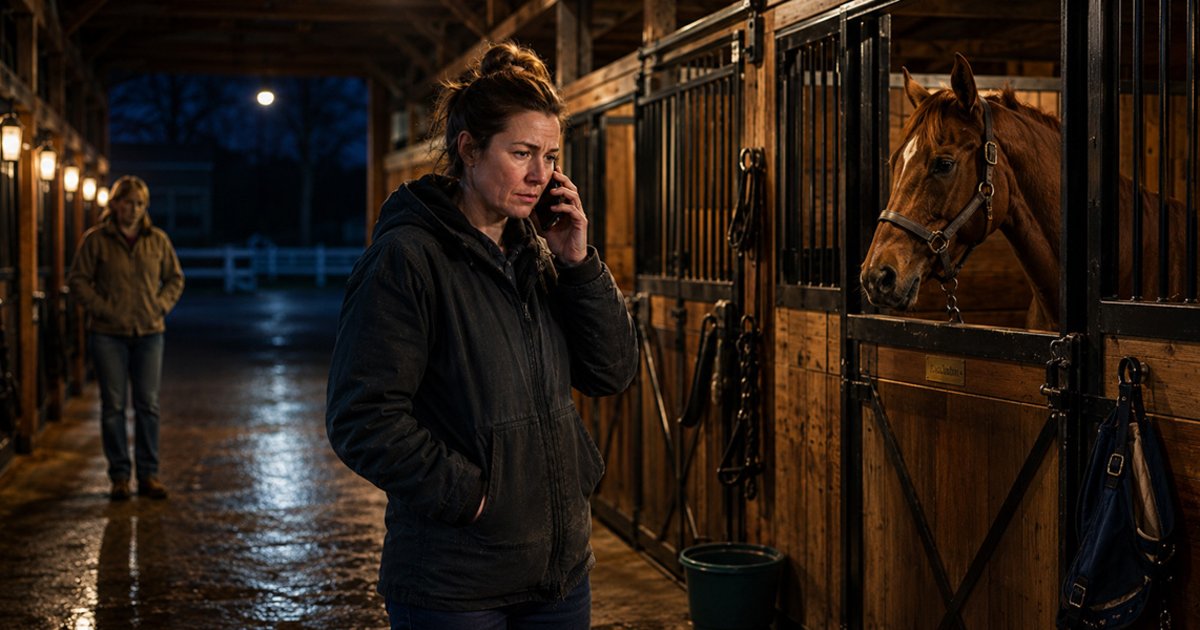
A show mare with twenty-thousand-dollar breeding sold for six thousand because of two sarcoids. Bob walks through every treatment option — and the gentle whole-horse approach he chose for Zoey.
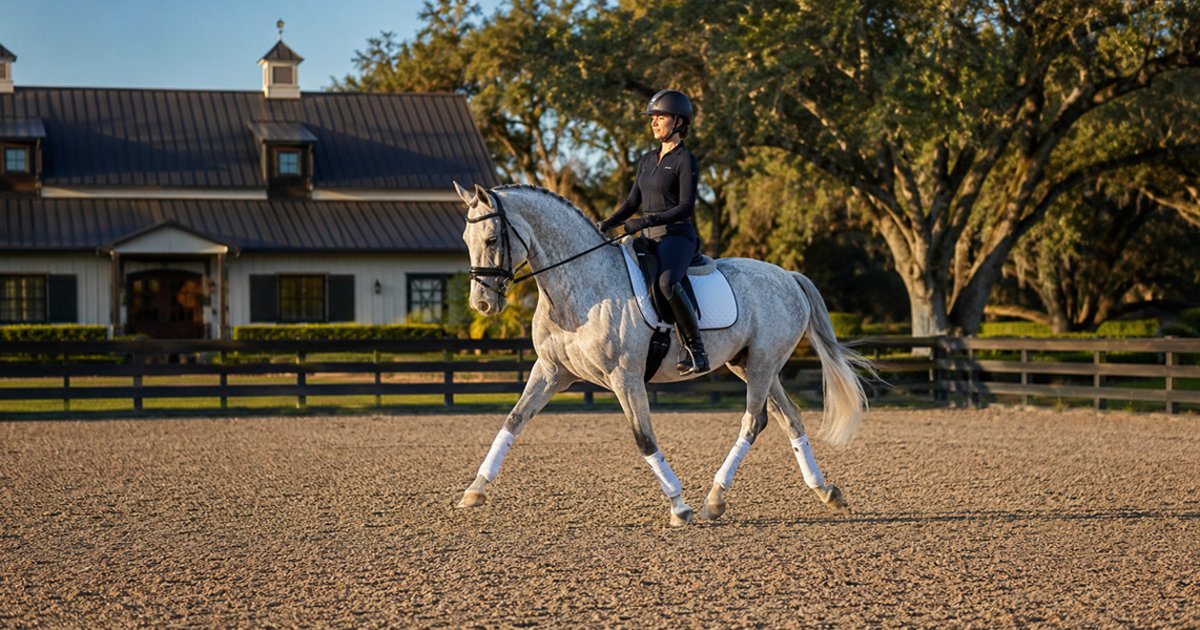
The Ground Your Horse Works On – Your Arena Should Not be an After Thought Meta description: Bad arena footing can contribute to stone bruises, abscesses and slow ligament damage...
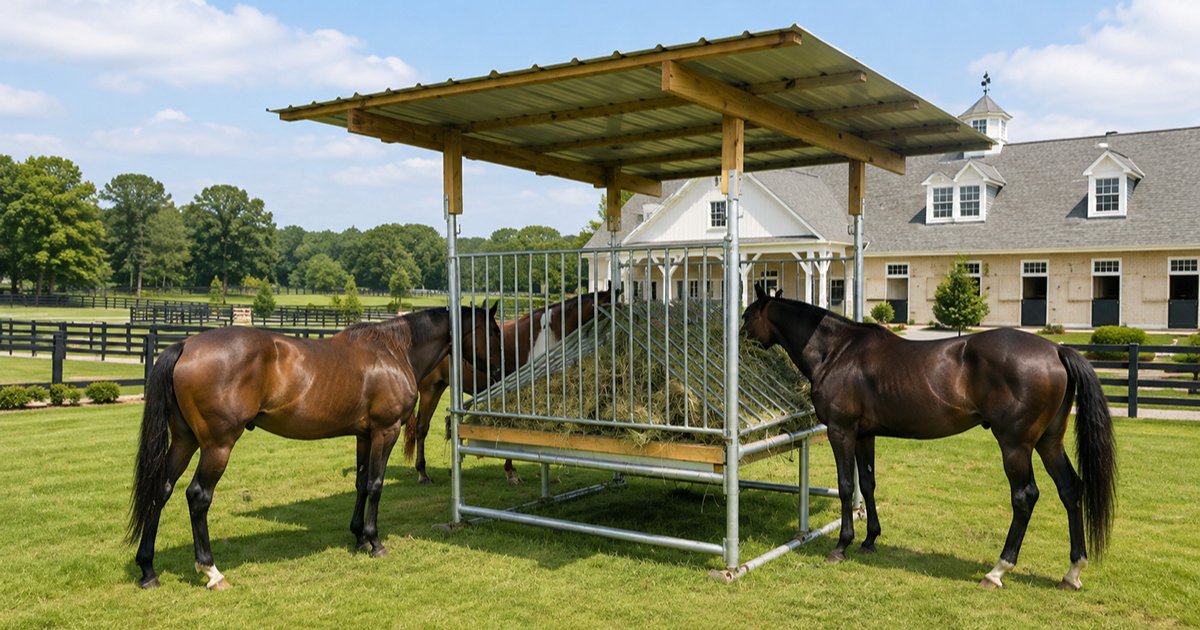
Feeding Hay in the Pasture Without Feeding the Ground Sponsored by Klene Pipe Structures Whether the horses in your pasture are retired barrel horses, broodmares, young...
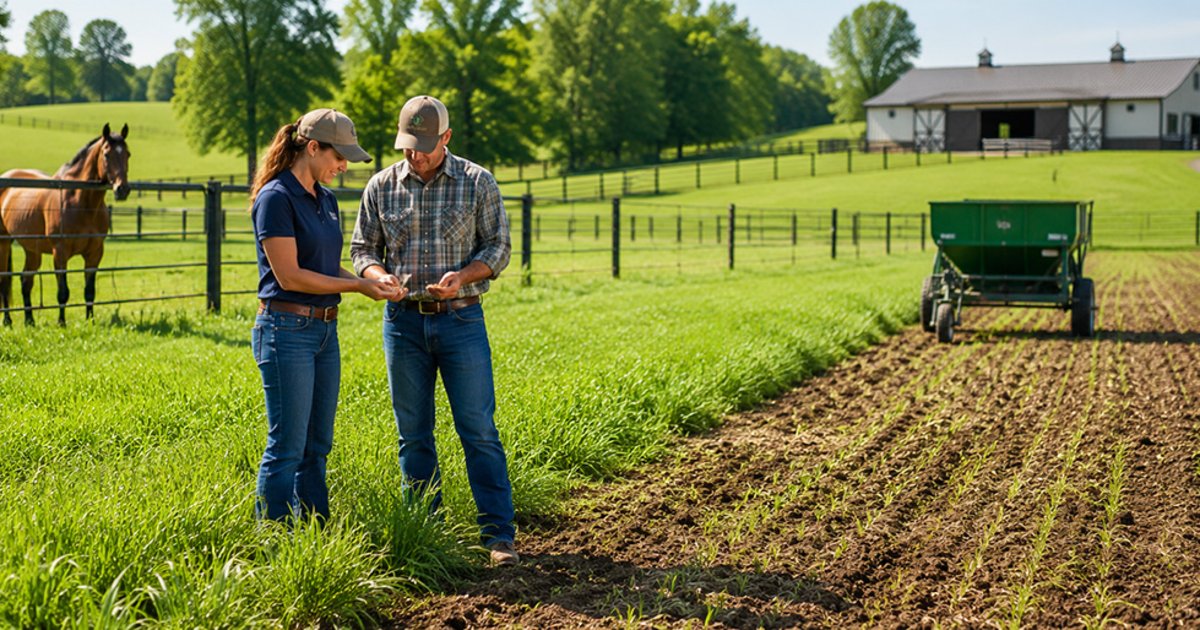
Safe and Healthy Horse Pastures: More Than Just a Pretty Field Healthy Grass, Safer Horses and Better Horsekeeping Start at Ground Level Walk through almost any feed store and you...